In a major policy shift, the US Department of Homeland Security (DHS) has announced an interim rule ending the automatic extension of Employment Authorisation Documents (EAD) for migrant workers — a move expected to impact thousands of foreign professionals, including a large number of Indian employees in the US.
According to the DHS statement, “Aliens who file to renew their EAD on or after October 30, 2025, will no longer receive an automatic extension of their EAD.” Those whose documents were automatically extended before the date will remain unaffected.
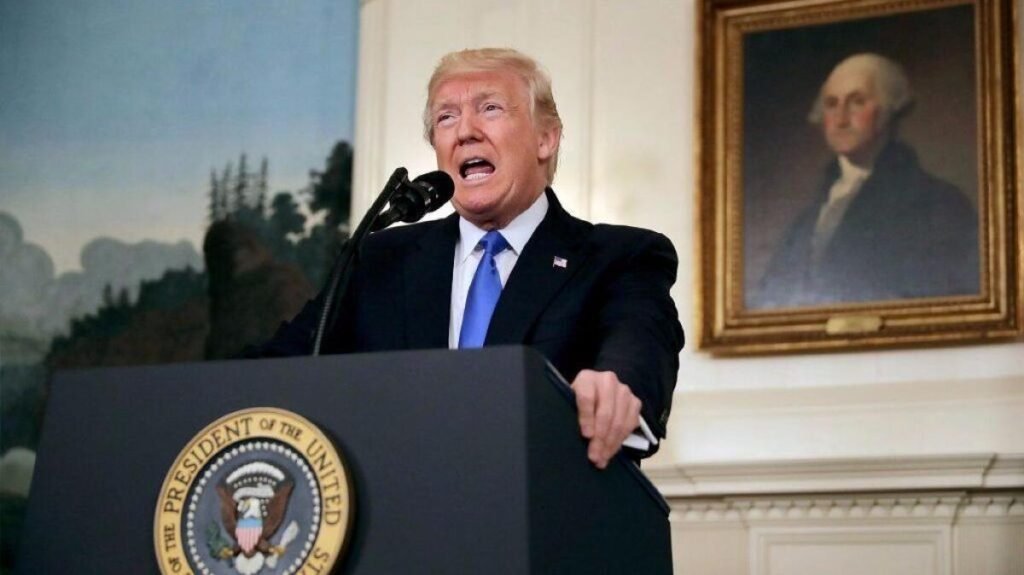
The DHS said the rule aims to strengthen vetting and screening procedures to protect national security and public safety. The Trump administration described it as part of its broader plan to tighten employment authorisation processes.
End of Biden-Era 540-Day Extension
This decision officially replaces a Biden-era policy that allowed immigrants to continue working for up to 540 days after their work permits expired, provided they had applied for timely renewal and met eligibility criteria.
Under the new rule, such automatic extensions will be revoked, though limited exceptions will remain for Temporary Protected Status (TPS) holders or others specifically covered under Federal Register notices.
The DHS noted that the US Citizenship and Immigration Services (USCIS) will conduct more frequent background checks to “deter fraud and detect individuals with harmful intent.”
Calling it a “common-sense measure,” USCIS Director Joseph Edlow stated, “Working in the United States is a privilege, not a right.”
What Workers Need to Know
The USCIS advised immigrants to apply for EAD renewal at least 180 days before expiry to avoid employment lapses. It warned that delays in renewal filing could lead to temporary job interruptions.
Who needs an EAD?
- EAD (Form I-766) proves an individual’s temporary right to work in the US.
- Permanent residents (Green Card holders) do not need one.
- Non-immigrant visa holders like H-1B, L-1B, O, and P are exempt.
H-1B Visa and Immigration Crackdown Continues
This EAD rule follows a series of immigration policy overhauls under the Trump administration. In September 2025, the government raised the H-1B visa fee to $100,000 (₹88 lakh), stating it would ensure only “highly skilled workers” enter the country without replacing American jobs.
Additionally, Florida Governor Ron DeSantis recently ordered state universities to stop hiring foreign workers on H-1B visas, directing institutions to prioritise American citizens instead.
Both actions mark a continued emphasis on “America First” employment policies and reduced dependence on foreign labour, which could have significant implications for Indian professionals working in the US tech and education sectors.